



-converted.webp)
Traditional forms of continuing medical education (CME)—such as conferences, in-person workshops, and symposia—have long been the gold standard. However, the rapid evolution of digital technology, coupled with the global shift towards flexible learning, has transformed the way we acquire knowledge.
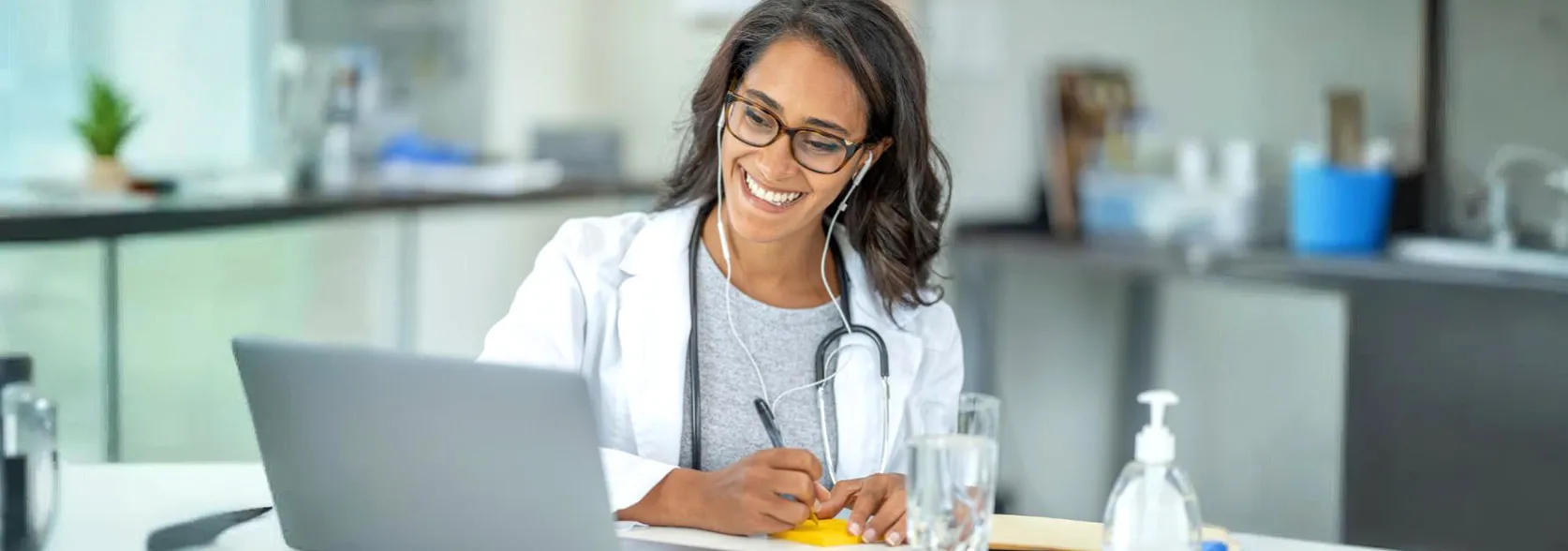
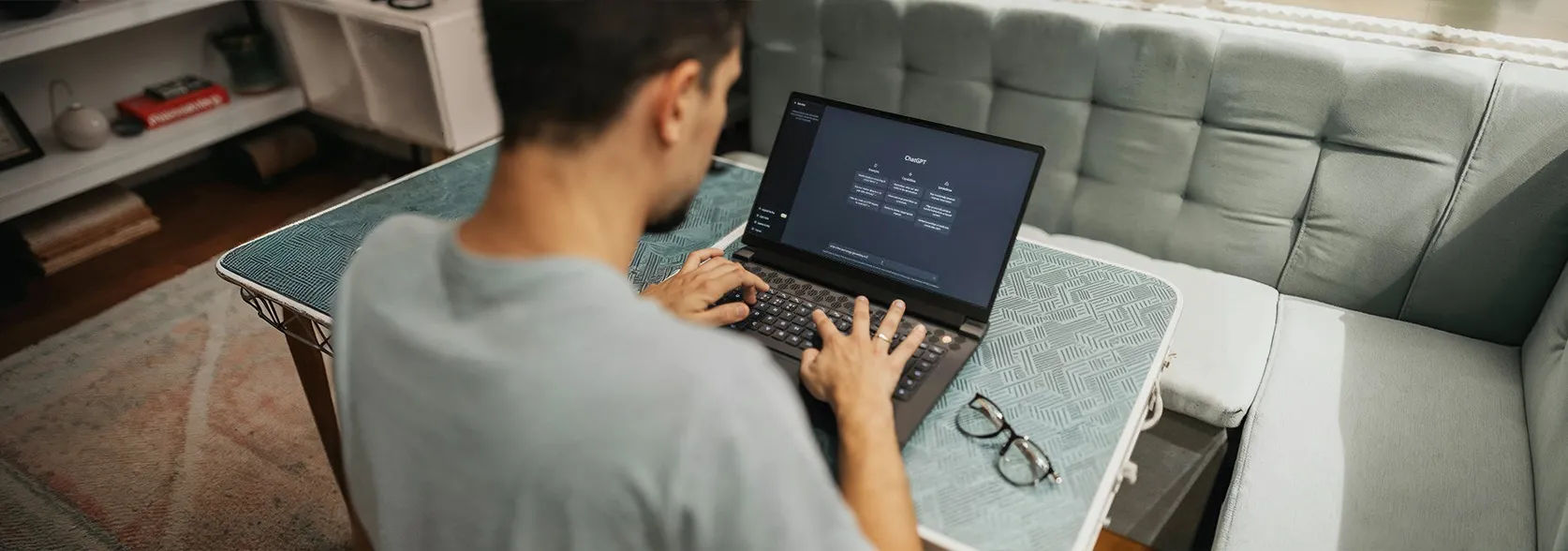
Online webinars are now at the heart of modern medical education. They represent a powerful tool for bridging geographical gaps, promoting collaboration across specialities, and providing physicians with up-to-date evidence-based insights—anytime, anywhere.
1. Accessibility and Flexibility
Unlike traditional conferences, webinars allow physicians to engage with world-class faculty without leaving their clinics or hospitals. With busy schedules and unpredictable on-call duties, the ability to attend a session live—or access it later on-demand—makes education more inclusive and adaptable.
2. CME Credits Without Barriers
Many online webinars, including ClinSociety sessions, are CME-accredited. This ensures that every hour invested translates into recognized professional advancement. Attendees not only gain valuable knowledge but also fulfill licensing and recertification requirements seamlessly.
3. Global Collaboration
Online platforms connect clinicians across continents. A physician in Dubai can learn directly from a leading expert in London, while simultaneously exchanging insights with peers from Asia or North America. This diversity of perspectives enriches the learning experience and fosters a sense of global medical community.
4. Cost-Effective Learning
Travel, accommodation, and registration fees for in-person conferences often limit access to CME. Webinars dramatically reduce these costs, ensuring more equitable opportunities for learning. Hospitals and organizations also benefit from group subscriptions, making knowledge-sharing a collective priority.
5. A Modern Mindset for Continuous Learning
Medical knowledge evolves rapidly—guidelines change, new procedures emerge, and innovations in technology redefine practice. Online webinars allow physicians to stay updated in real-time. This model supports the modern shift from occasional, event-based education to continuous, lifelong learning.
Conclusion
The rise of online webinars marks more than just a digital adaptation; it reflects a profound cultural shift in how physicians view education. Flexible, accessible, and globally connected, webinars are reshaping CME into a model that fits today’s world of medicine.
At ClinSociety, we are committed to delivering CME-accredited webinars that embody this vision—empowering healthcare professionals with the knowledge and confidence to provide better care for their patients.




-converted.webp)